Montenegro Weather — Month by Month
Montenegro's coast enjoys a Mediterranean climate with over 240 sunny days per year. But the difference between visiting in June versus August — in terms of crowds, prices, and comfort — is enormous. Here is what each month actually feels like on the ground.
June — The Sweet Spot
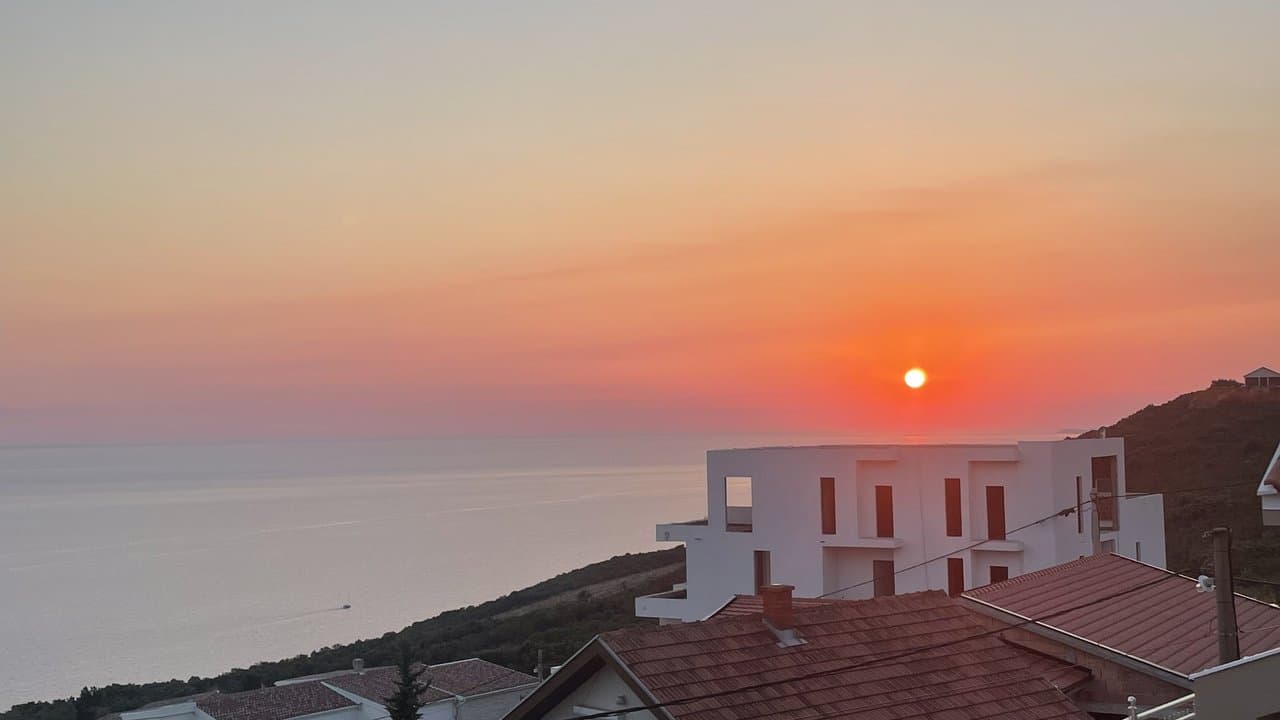
Air temperature: 25–30°C. Sea temperature: 22–24°C. Rainfall: rare, maybe 2–3 days. June is widely considered the best month to visit the Montenegrin coast. The weather is reliably warm and sunny, the sea is warm enough for comfortable swimming (though the first dip of the season still takes your breath away), and the summer crowds have not yet arrived in full force. Beaches have space, restaurants have tables, and parking in Kotor is manageable. Prices are 20–30% lower than July–August. The days are long — sunset is around 8:30pm, giving you golden evening light for photography and outdoor dining. Krimovica at 200 metres elevation is slightly cooler than the coast in the evenings, which is pleasant for sleeping. If you can only visit once, make it June.
July and August — Peak Season
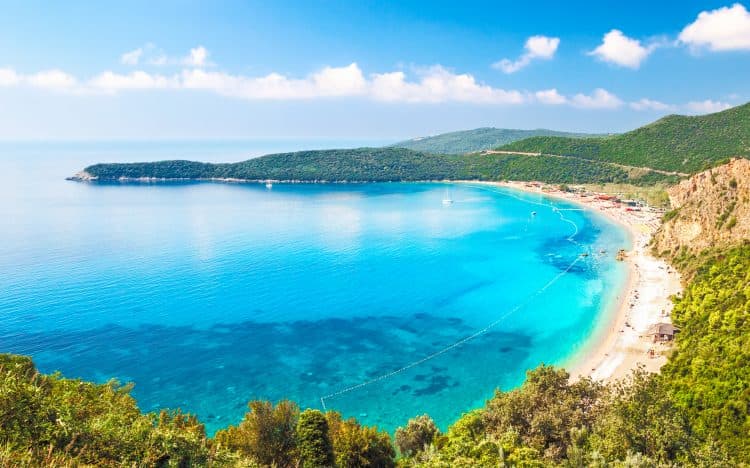
Air temperature: 28–35°C. Sea temperature: 24–26°C. Rainfall: almost zero. These are the hottest, busiest, and most expensive months. The beaches are packed between 11am and 4pm — Jaz Beach parking fills by 10am, Kotor is overwhelmed by cruise ship passengers, and Budva Old Town is shoulder-to-shoulder in the evenings. Accommodation prices peak (Mata Apartments: €50–60/night versus €35 in June). The heat can be intense, especially in the early afternoon — locals retreat indoors between 1pm and 5pm. That said, the sea is at its warmest and calmest, the nightlife in Budva is in full swing, and the energy is infectious. The key to enjoying peak season: adopt the local rhythm. Beach in the morning, rest in the afternoon (the apartment has air conditioning), then come alive again in the evening for dinner and nightlife. Krimovica's elevation means evenings are 2–3°C cooler than the coast — a genuine advantage when coastal towns are stifling at night.
September — The Local Favourite
Air temperature: 24–28°C. Sea temperature: 23–25°C. Rainfall: occasional brief showers. Ask any Montenegrin when the best time to visit is and they will say September. The summer crowds have thinned dramatically, prices drop, but the sea is still beautifully warm from months of summer sun. The light changes — softer, more golden, with longer shadows that make everything more photogenic. Beaches that were packed in August are pleasantly quiet. Restaurants are more relaxed, with staff who have time to chat and recommend dishes. The grape harvest begins in the Crmnica wine region around Skadar Lake, and you can visit wineries during the most atmospheric time of year. September is also the best month for hiking — warm enough to be comfortable but not the punishing heat of July. If June is the smart choice, September is the connoisseur's choice.
October — The Secret Season
Air temperature: 18–24°C. Sea temperature: 20–22°C. Rainfall: increasing, maybe 5–7 rainy days. October is Montenegro's best-kept secret. The sea stays swimmable until mid-month — 20°C is cool but perfectly fine once you are in. Beaches are nearly empty, the autumn light is extraordinary for photography, and prices are at their lowest. Kotor Old Town without cruise ships or summer crowds is a completely different experience — peaceful, atmospheric, and genuinely magical. The mountains begin to show autumn colours. Some beach restaurants close in late October, but the old towns and main restaurants stay open. The risk is weather — October can deliver a week of rain, or it can be gloriously sunny. It is a gamble, but when it pays off, October in Montenegro is unforgettable.
Shoulder Months — May and November
May (18–25°C air, 18–20°C sea): excellent for sightseeing, hiking, and exploring without crowds. The sea is too cold for most swimmers but the landscape is at its greenest and most beautiful, with wildflowers everywhere. Prices are low and availability is high. November (12–18°C, frequent rain): the coast enters its quiet season. Many beach businesses close, but Kotor and Budva old towns remain open and atmospheric. Hotel prices drop 50–70%. A good month for a cultural trip focused on old towns, food, and wine rather than beaches.
Winter — Off-Season Charm
December to March: 8–15°C on the coast, with regular rain and occasional storms. The mountains get snow — Lovćen is often white-capped. The coast is quiet but not dead: Kotor has a charming Christmas market, Budva Old Town has a handful of year-round restaurants, and the Bay of Kotor in winter mist is hauntingly beautiful. Accommodation prices are at rock bottom. This is not beach holiday weather, but for travellers who enjoy empty medieval towns, dramatic winter seascapes, and authentic local life without a tourist in sight, winter Montenegro has a stark beauty that summer visitors never see.
What to Pack — Season by Season
Summer (June–August): light cotton clothing, swimwear (bring at least two sets — things dry slowly in humid air), high-factor sunscreen (SPF 50 — the Adriatic sun is deceptively strong), good sunglasses, a wide-brimmed hat, water shoes for pebble beaches (essential for children), and one light layer for air-conditioned restaurants. Shoulder season (May, September, October): add a light waterproof jacket, a warm layer for evenings (it drops to 15–18°C after sunset), and closed-toe walking shoes for cobblestone old towns and hiking. For mountain trips (Lovćen, Durmitor) at any time of year: proper hiking shoes, a warm fleece or jacket (temperatures are 10–15°C lower at altitude than the coast), water, and sun protection. Year-round: comfortable walking shoes — you will walk more than you expect on cobblestones, beach paths, and old town streets.
Frequently Asked Questions
What is the best month to visit Montenegro?
September is the local favourite — warm sea (24°C), fewer tourists than summer, lower prices, and beautiful golden light. June is the runner-up with similar advantages and slightly cooler sea.
Can you swim in Montenegro in October?
Yes, until mid-October. The sea temperature stays above 20°C. Beaches are nearly empty — it is one of the coast's best-kept secrets.
How hot does it get in summer?
July and August reach 28–35°C on the coast. Krimovica at 200m elevation is 2–3°C cooler in the evenings, which makes a real difference for sleeping.
Does it rain much in Montenegro?
Summer (June–August) is almost completely dry. September has occasional brief showers. October onwards sees increasing rainfall. The coast gets about 240 sunny days per year.
Stay at Mata Apartments
3 apartments in Krimovica from €35/night. Free parking, WiFi, sea views.